My mission is to help leaders and organizations embrace mindful growth and create meaningful, strategic impact — leading and living more consciously in a rapidly changing world. I guide people to grow through challenge, lead with clarity and compassion, and create systems where human flourishing and sustainable success go hand in hand.
This past week, I’ve been increasingly aware of my somewhat addictive tendency to abandon the richness of what’s here now and follow the siren song of what could be here tomorrow…It’s that old devil, Restlessness, the fifth hindrance to mindful meditation –and indeed mindful life.
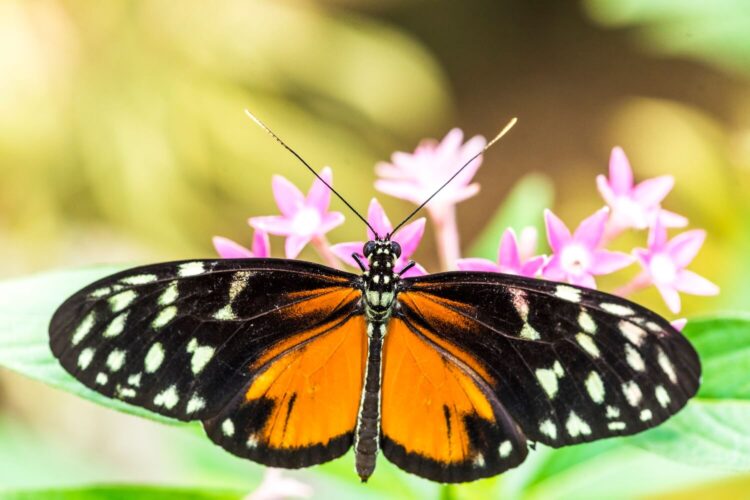
A dear friend recently gave me a small coin etched with a beautiful butterfly, underneath which was the single word: Change. Of course, what could be more fitting? The butterfly embodies the very essence of transformation.
I’m writing this from a special wooded place — an ashram in Virginia where I’m spending a few precious days with my daughter and granddaughter. Three generations kayaking on the river, practicing lunchtime silence while a swami reads from a sacred text.
For the past few months, I’ve been exploring Abundance Mindset—both in my own life and in my mindfulness gatherings. We’ve been working with the inner hindrances that keep us from fully embracing abundance.
This week’s share is… late. Or maybe I am. Or maybe time is just an illusion. (Manyphilosopherss would agree.) The truth is, I’ve been thinking about this topic while doing everything except writing about it. You could say I’ve been… researching. (Not procrastinating!)
Have you ever felt like life was moving at sloth speed? Slow, foggy, and maybe even comically stretched out—like Flash the Sloth at the DMV in Zootopia, taking what feels like an eternity to type a single word?
We spend so much of life searching. For answers. For belonging. For peace. That search can take us to wonderful places — nature, community, teachers, and practices that guide us. Yet I’m reminded of Dorothy in The Wizard of Oz.
Depletion. It creeps in after a big expenditure of energy. I’ve felt it after major events and holidays—the build-up of planning, the fullness of the moment, and then…the letdown. I’ve felt it after a crisis—the adrenaline and urgency keeping me going, until suddenly, it’s safe to stop…and the letdown comes.
We all know an Eeyore. The lovable donkey in Winnie the Pooh whose catchphrase might as well be “Why bother?” He is endearing, yes—but also perpetually stuck in “poor me.” Contrast that with Maya Angelou, who faced racism, violence, and trauma, yet emerged as a voice of resilience, compassion, and grace.
Growing up, my family spent summers with relatives in the Midwest. There, various traditions gave shape to our days—tubing down the Apple River, pontoon rides on the St. Croix, catching fireflies, and eating fresh berries in my grandmother’s cut-glass dishes with sugar and cream.