
What Lobsters (and Ted Lasso) Teach Us About Leadership
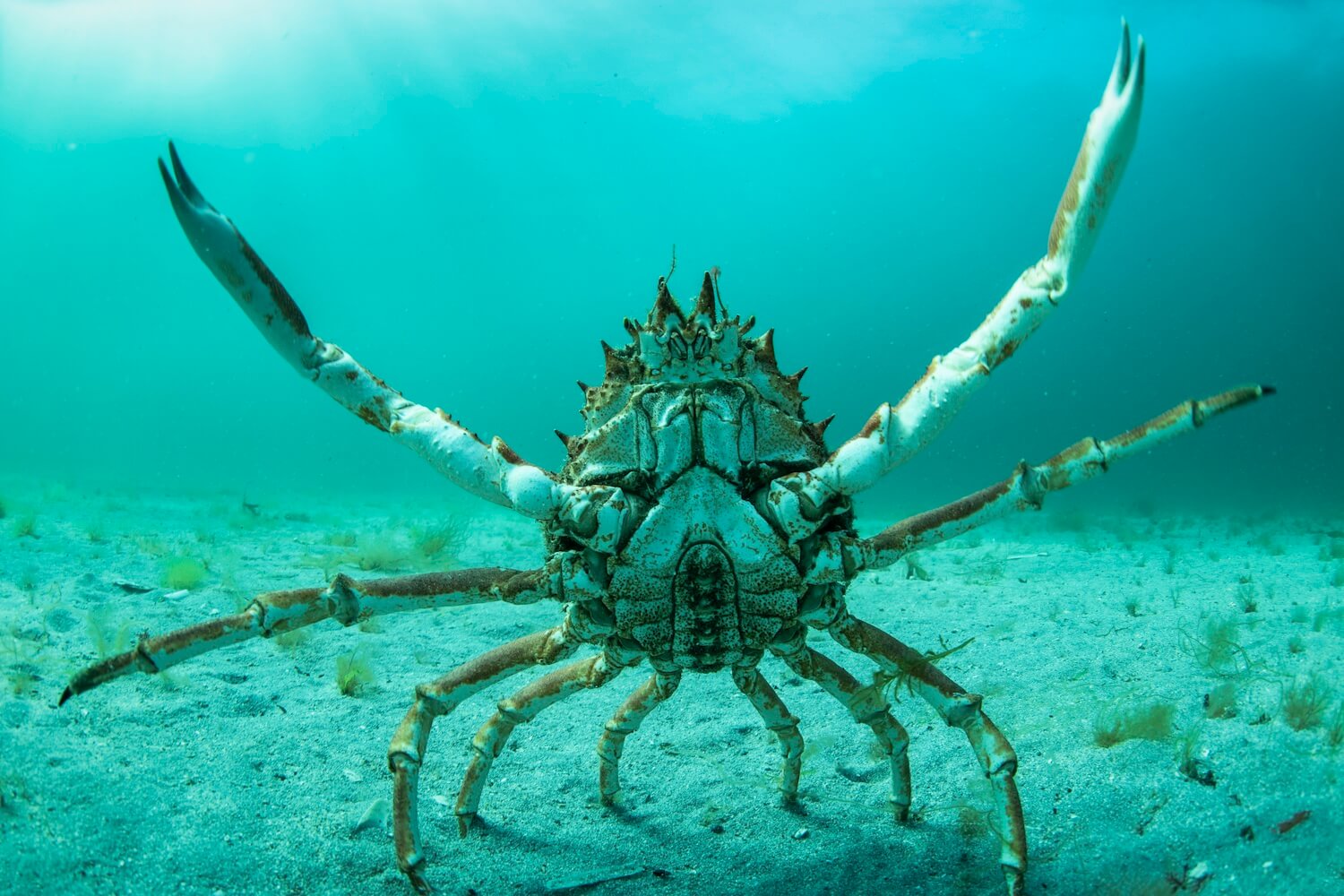
I keep coming back to the image of the molting lobster. To grow, a lobster must shed its hard shell, leaving itself soft and exposed until a new one forms. It’s a vulnerable state—predators lurk, dangers abound. But it’s also the only way the lobster can grow.
I think leadership today feels a lot like that. The pace of change demands constant transformation. We can’t stay in our old shells. And so, more and more, we are called to lead without them.
Without a shell, we can no longer bluff our way forward behind armor. We must find new ways to move through the world. Sometimes that means persuading instead of pushing. Sometimes it means leaning more on others, building trust and collaboration. And often, it means noticing and feeling things more deeply than we could when we were armored.
This became clear to me in a morning body scan meditation. I asked myself: Where do you feel soft? The answer came immediately—around my heart. That’s also where I felt most alive. From there, I explored where I felt steady, strong, or stuck. But the softness was different. It was where the aliveness, the openness, and the possibility lived.
We often think vulnerability is weakness, but what if it’s the very condition for growth?
Popular culture offers us some unexpected teachers here. Take Ted Lasso, the coach who shows up to lead a struggling soccer team without the bluster or bravado of a hard shell. Instead, he leans on curiosity, humor, and heart. His vulnerability doesn’t make him weaker—it makes him magnetic. It builds connection. It transforms those around him.
Like Ted, like the lobster, we too have to spend more time in our shell-less state. It may feel risky, but it’s also rich. The very places we want to protect—the tender, soft spaces—are where the good stuff lies: creativity, connection, courage.
The lobster can’t grow without shedding. Neither can we.
Here’s to finding the courage to molt, and the heart to lead shell-less.